Pre-order now
exocortex
1,273 gold contacts. One ordinary beanie.
$5,000. The first 100 ship in March 2027.

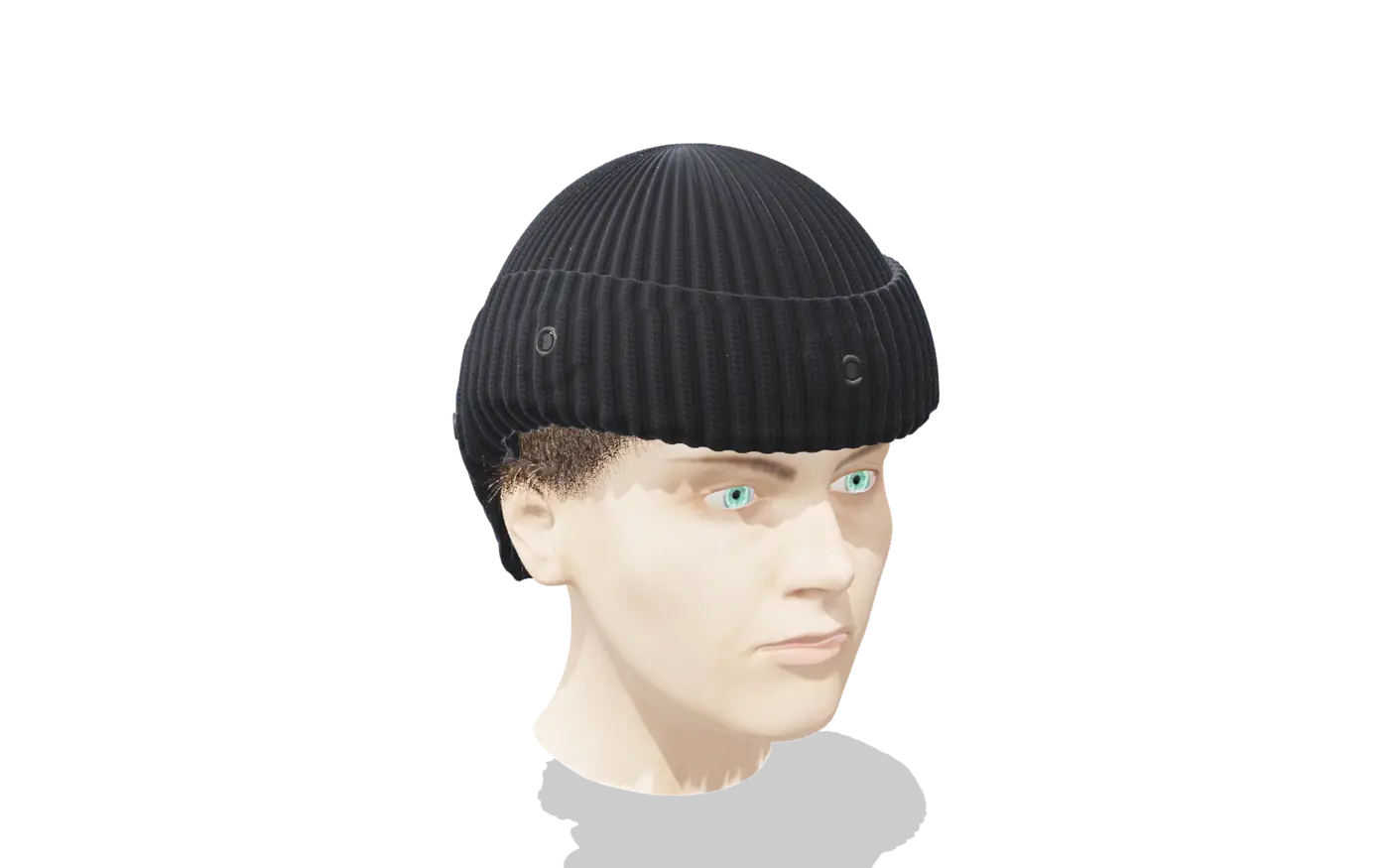
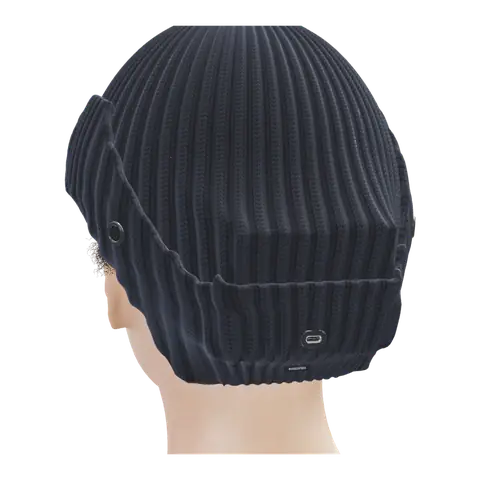
Looks like a beanie. Because it is one.
An ordinary acrylic rib-knit beanie goes over everything: the shell, the boards, the hub. Its turned-up cuff holds every contact against the scalp, and it makes the most instrumented thing you own look like a hat.
No gel. No paste. No cap.
1,273 gold-plated spring pins press through the hair onto the scalp, each with 3 mm of travel. Every board is small enough that all of its pins reach. Put it on dry, take it off clean.
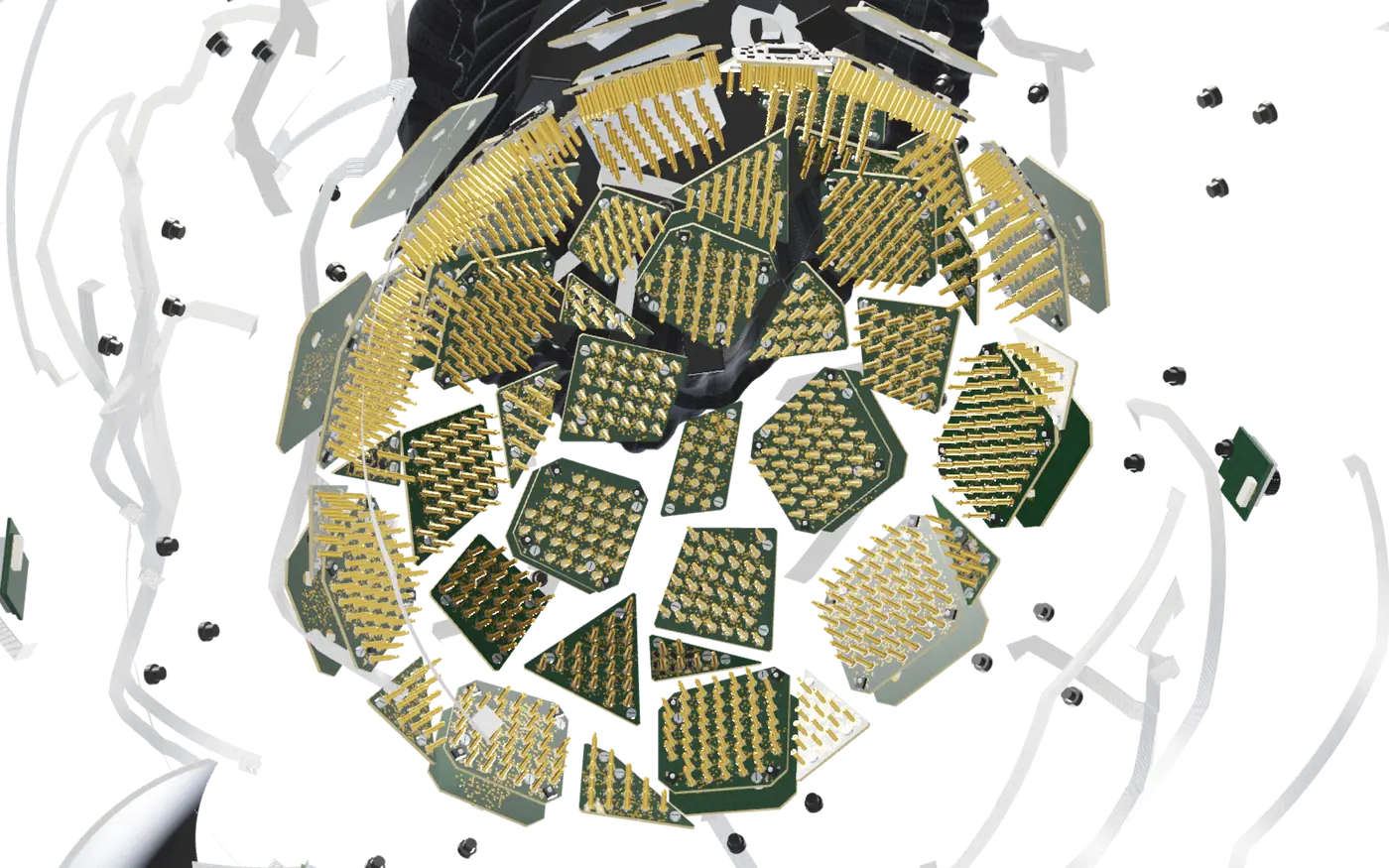
48 boards. No two alike.
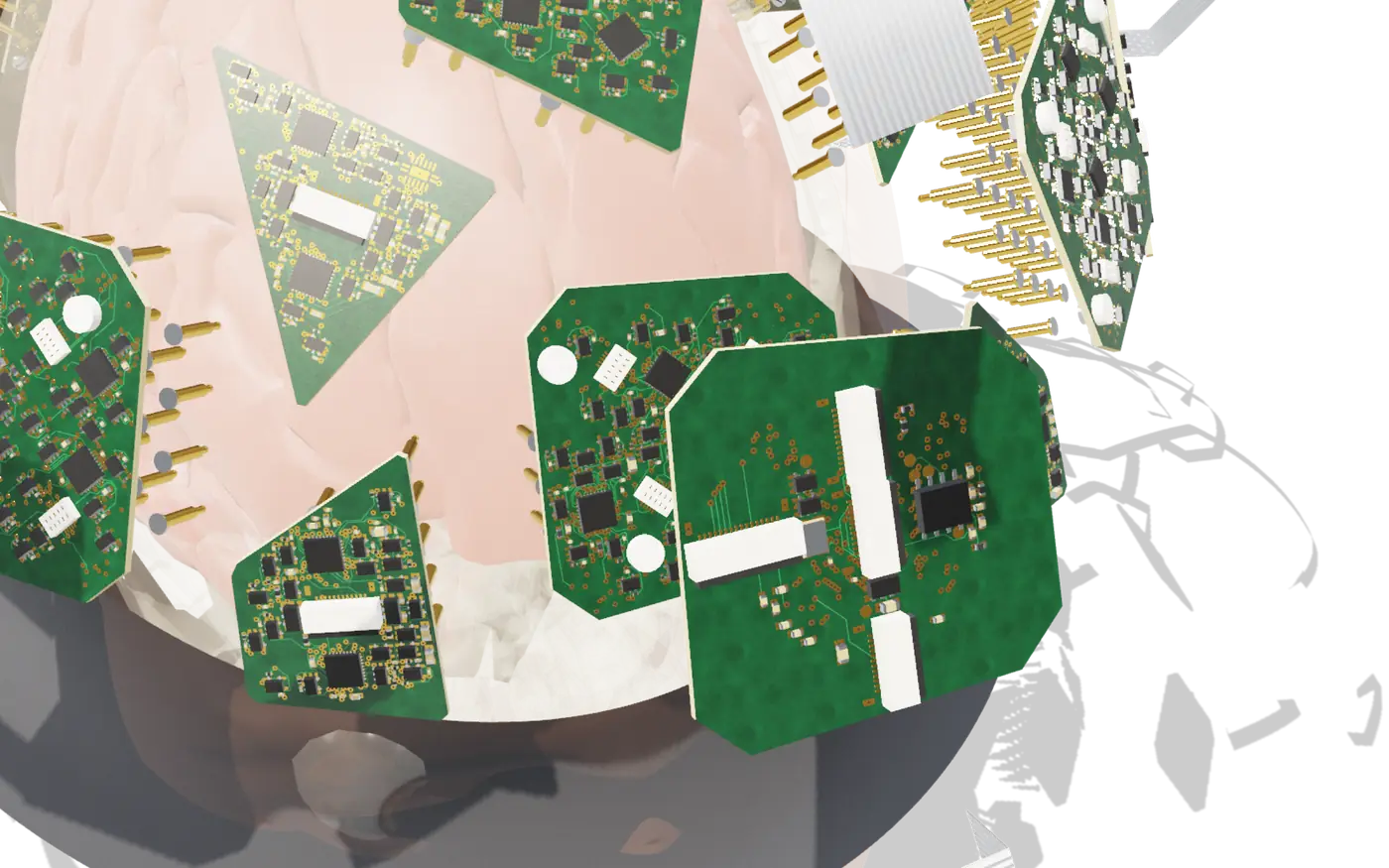
Trapezoids and triangles, each cut to its own patch of the head, cover 89.5% of the scalp. 16 of them carry a controller stacked 1.5 mm behind; the rest plug into their neighbours.
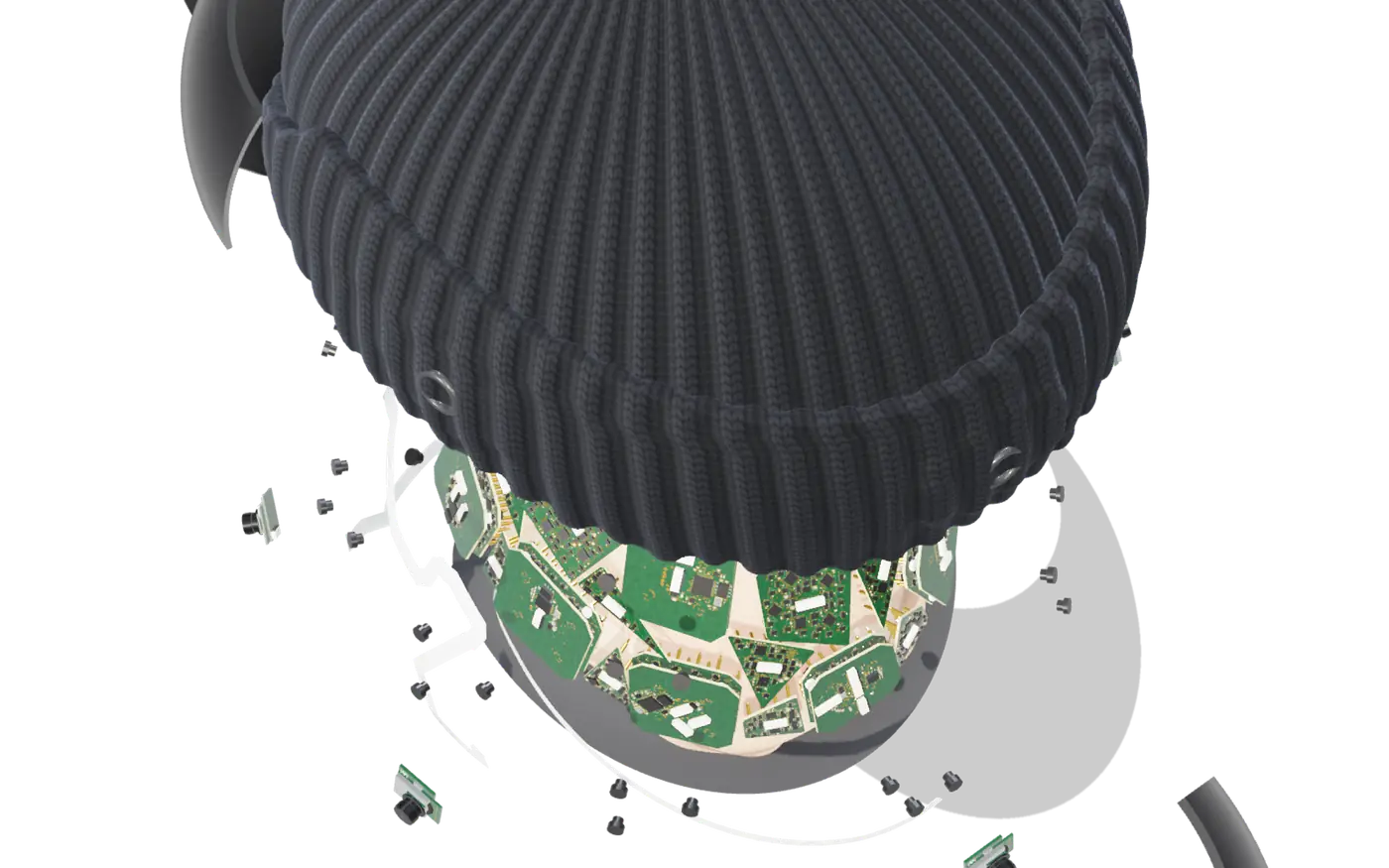
24 bits. 500 times a second. Every channel.
A zero-drift buffer behind every contact and a TI ADS131M08 for every eight. All 179 converters share one clock and one sync line, so 1,273 channels are sampled together, within 6 ns of each other. Designed for about 1.9 µV rms of noise.
Sees what you see. Hears what you hear.
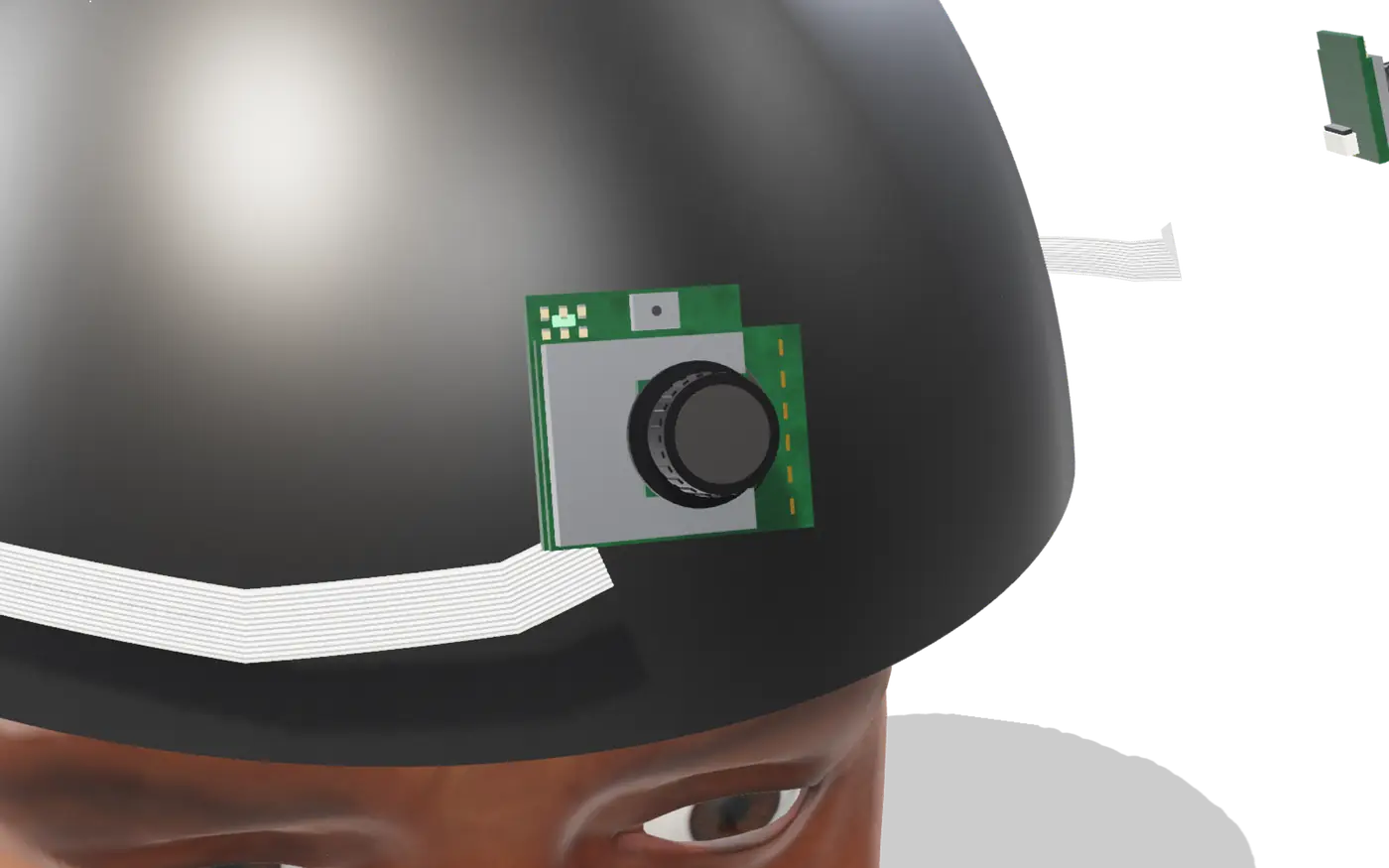
Five 2-megapixel cameras with 160° lenses, three across the front and two on the back rim. Each has its own microphone and its own Wi-Fi radio. A light comes on whenever a camera's sensor has power.
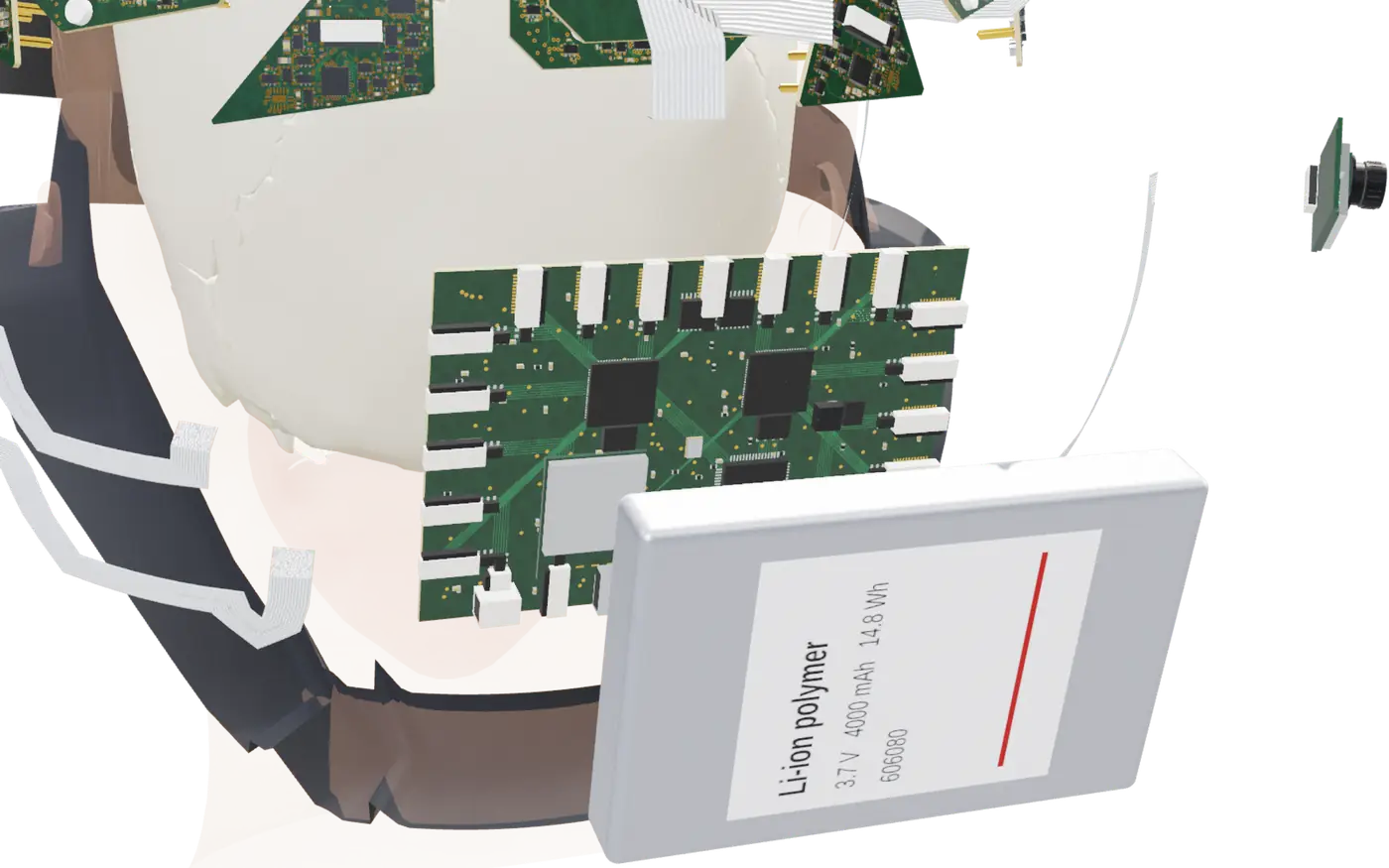
The hub.
At the back, under the pod: two RP2350s run the converters, an ESP32-S3 handles Wi-Fi, and USB 2.0 High Speed carries everything to a computer. A 2000 mAh cell sits under the cover. It charges only off the head: plug in a cable and the contacts' supply switches off.
Take a closer look.
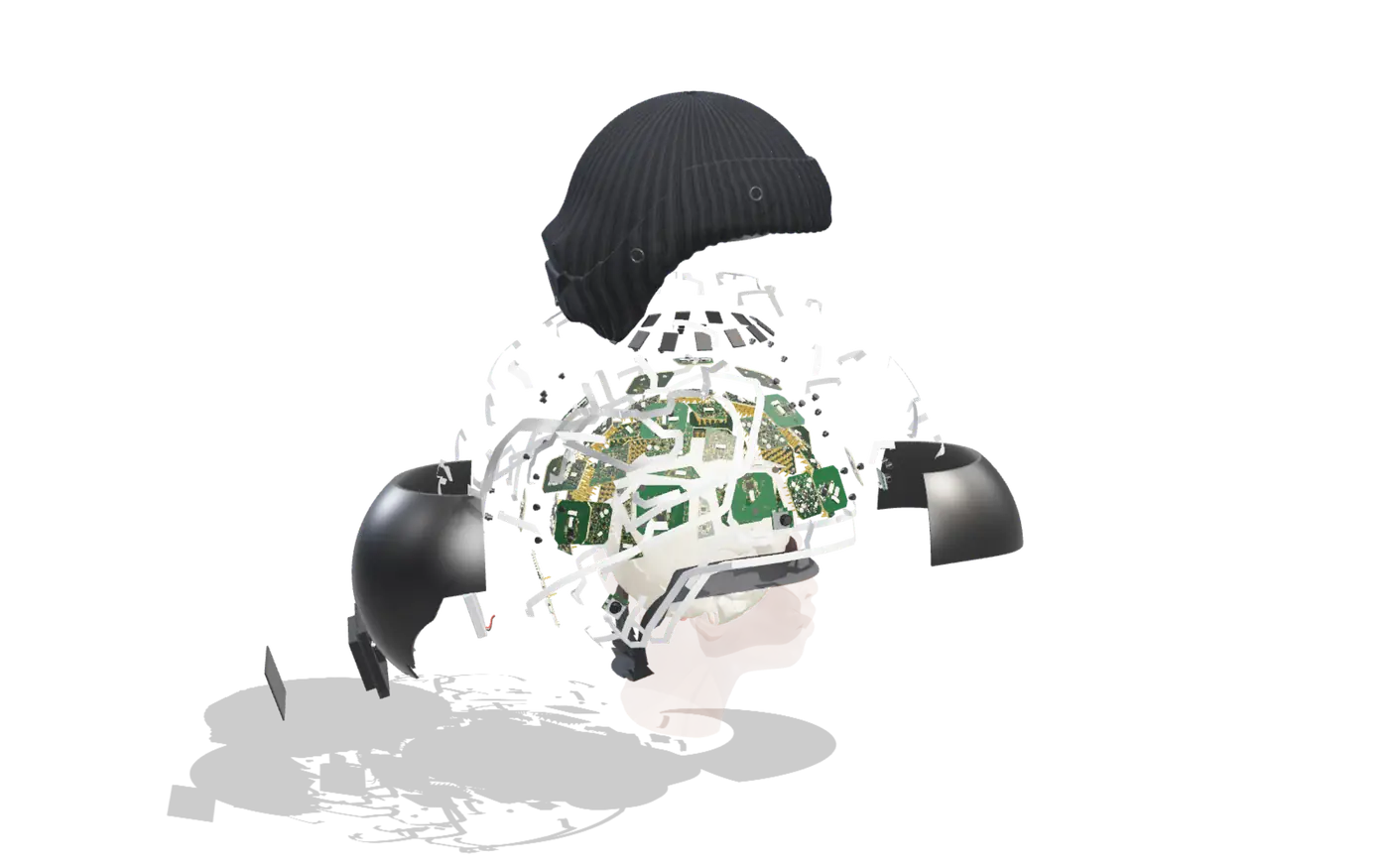
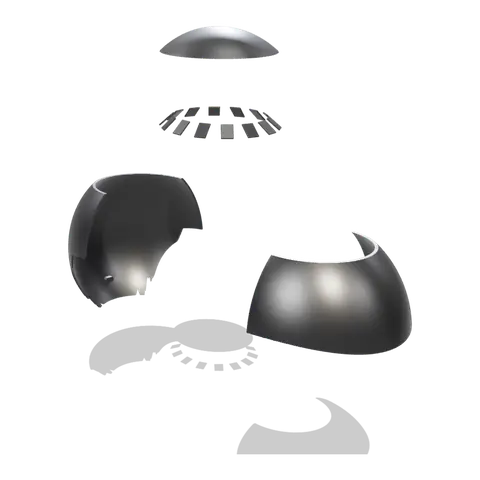
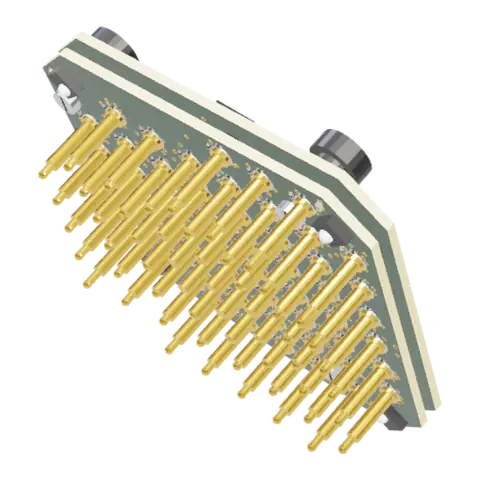
Stills of the live 3D model, rendered from the design files. Drag the shelf sideways.
By the numbers.
of spring on every contact, from 25 g at first touch to 127 g.
of timing difference across all 179 converters, by design.
USB 2.0 High Speed out of the hub.
at least, between every contact and the electronics: 22 µA worst case, against a 50 µA limit.
through each camera's lens. Five of them.
circuit boards: 48 contact boards, 16 controllers, a hub and five cameras.
One spring pin on every contact, one connector on every cable, one beanie. Fewer parts, fewer ways to fail.
exocortex
Pre-order. $5,000.
The first 100 ship in March 2027. Reserve yours now; no payment today.
Or build it yourself.
Every board, every part, every file is open. Order the boards from JLC, print the shell on an Ender-3, and put it together. One order costs $11,784, with a second set of boards (JLC assembles two at minimum): $5,975 a helmet if you build both.
Tech specs.
- Sensing
- 1,273 dry gold contacts, one channel each, over 89.5% of the scalp
- Converters
- 179 × TI ADS131M08, 24-bit, 500 samples per second per channel
- Cameras
- 5 × OV2640, 2 MP, 160° wide-angle
- Connectivity
- 2.4 GHz Wi-Fi from the hub; each camera streams over its own radio; USB-C, USB 2.0 High Speed (480 Mb/s) through an FTDI FT2232H
- Power
- 1S lithium-polymer, 2000 mAh, 3.7 V, 54 A continuous (MaxAmps), under the pod cover
exocortex is designed, routed and checked, and is not yet built. Specifications are design values; impedance, noise, motion, comfort and EMC have not been measured on a head. exocortex is not a medical device and is not for diagnosing or treating any condition. Pre-orders are reservations: no payment is taken until we confirm your unit.